


As a provider of Food Cooking Mixers, I often encounter customers who are interested in the maintenance and replacement of parts for these essential kitchen appliances. In this blog post, I'll share a comprehensive guide on how to replace the parts of a food cooking mixer, drawing on my years of experience in the industry.
Understanding Your Food Cooking Mixer
Before you start replacing any parts, it's crucial to have a clear understanding of your food cooking mixer. Different models come with various features and components, so familiarize yourself with the user manual that came with your mixer. This manual will provide detailed information about the specific parts of your machine, their functions, and the recommended maintenance procedures.
Most food cooking mixers consist of several key parts, including the motor, beaters, dough hooks, bowls, and speed controls. Each of these parts plays a vital role in the mixer's performance, and over time, they may need to be replaced due to wear and tear.
Identifying the Parts That Need Replacement
The first step in replacing parts is to identify which ones are malfunctioning or damaged. Here are some common signs that a part needs to be replaced:
- Strange Noises: If your mixer is making unusual grinding, rattling, or buzzing sounds, it could indicate a problem with the motor or the gears.
- Loss of Power: A decrease in the mixer's power or speed may be a sign of a failing motor or a worn-out belt.
- Loose or Wobbly Parts: If the beaters, dough hooks, or bowls are loose or wobbly, it could mean that the attachments or the connection points are damaged.
- Difficulty in Mixing: If your mixer is not mixing ingredients evenly or is struggling to handle heavy doughs, it may be due to worn-out beaters or dough hooks.
Once you've identified the problematic parts, you can proceed to the replacement process.
Gathering the Necessary Tools
Before you start replacing the parts, gather the necessary tools. The tools you'll need may vary depending on the specific parts you're replacing, but here are some common tools that you'll likely need:
- Screwdrivers: You'll need a set of screwdrivers, including Phillips and flathead screwdrivers, to remove the screws that hold the parts in place.
- Pliers: Pliers can be useful for removing small parts or for holding onto components while you're working.
- Allen Wrenches: Some mixers may require Allen wrenches to remove certain parts.
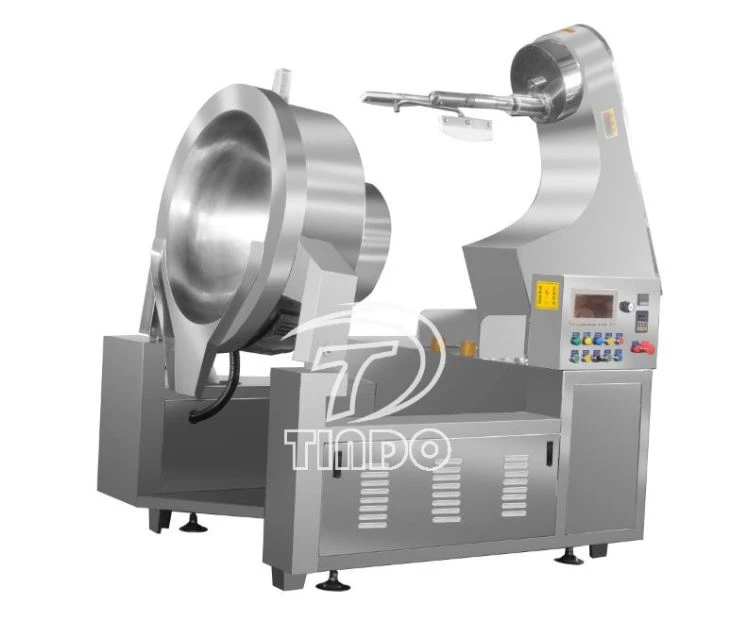
- Replacement Parts: Make sure you have the correct replacement parts on hand. You can purchase replacement parts from the manufacturer or from a reputable parts supplier. You can explore a wide range of cooking mixer parts and machines on our website, including the Nuggets Flouring Machine, Cooking Kettle with Mixer, and Stainless Steel Cooking Kettle Machine.
Replacing the Parts
Now that you have the necessary tools and replacement parts, you can start the replacement process. Here's a general guide on how to replace some of the common parts of a food cooking mixer:
Replacing the Beaters or Dough Hooks
- Unplug the Mixer: Before you start working on the mixer, make sure it's unplugged from the power source to avoid any electrical accidents.
- Remove the Old Attachments: Most beaters and dough hooks can be removed by simply pulling them out of the mixer's attachment hub. If the attachments are stuck, you may need to use a pair of pliers to gently pry them loose.
- Clean the Attachment Hub: Once the old attachments are removed, clean the attachment hub to remove any dirt or debris.
- Insert the New Attachments: Align the new beaters or dough hooks with the attachment hub and insert them firmly until they click into place.
Replacing the Belt
- Unplug the Mixer: As always, make sure the mixer is unplugged before you start working on it.
- Remove the Bottom Panel: Use a screwdriver to remove the screws that hold the bottom panel of the mixer in place. Carefully lift the panel off to expose the belt.
- Remove the Old Belt: Take note of how the old belt is routed around the pulleys. Use a pair of pliers to gently remove the old belt from the pulleys.
- Install the New Belt: Place the new belt around the pulleys, following the same routing pattern as the old belt. Make sure the belt is properly seated on the pulleys.
- Replace the Bottom Panel: Carefully place the bottom panel back on the mixer and secure it with the screws.
Replacing the Motor
- Unplug the Mixer: This is a crucial safety step.
- Remove the Outer Housing: Use a screwdriver to remove the screws that hold the outer housing of the mixer in place. Carefully lift the housing off to expose the motor.
- Disconnect the Wires: Take note of how the wires are connected to the motor. Use a pair of pliers to gently disconnect the wires from the motor.
- Remove the Motor: Use a screwdriver to remove the screws that hold the motor in place. Carefully lift the motor out of the mixer.
- Install the New Motor: Place the new motor in the mixer and secure it with the screws. Reconnect the wires to the motor, following the same connection pattern as before.
- Replace the Outer Housing: Carefully place the outer housing back on the mixer and secure it with the screws.
Testing the Mixer
After you've replaced the parts, it's important to test the mixer to make sure it's working properly. Plug the mixer back into the power source and turn it on. Start the mixer at a low speed and gradually increase the speed to check if it's mixing ingredients evenly and smoothly. Listen for any strange noises or vibrations. If everything seems to be working fine, you're good to go.
Conclusion
Replacing the parts of a food cooking mixer may seem daunting at first, but with the right tools, knowledge, and a little patience, it can be a straightforward process. By following the steps outlined in this guide, you can keep your mixer in top condition and extend its lifespan.
If you have any questions or need further assistance with replacing the parts of your food cooking mixer, or if you're interested in purchasing high-quality cooking mixer parts and machines, contact us for a free consultation. Our team of experts is ready to help you find the right solutions for your cooking needs.

References
- Manufacturer's User Manuals
- Industry Best Practices for Food Cooking Mixer Maintenance


